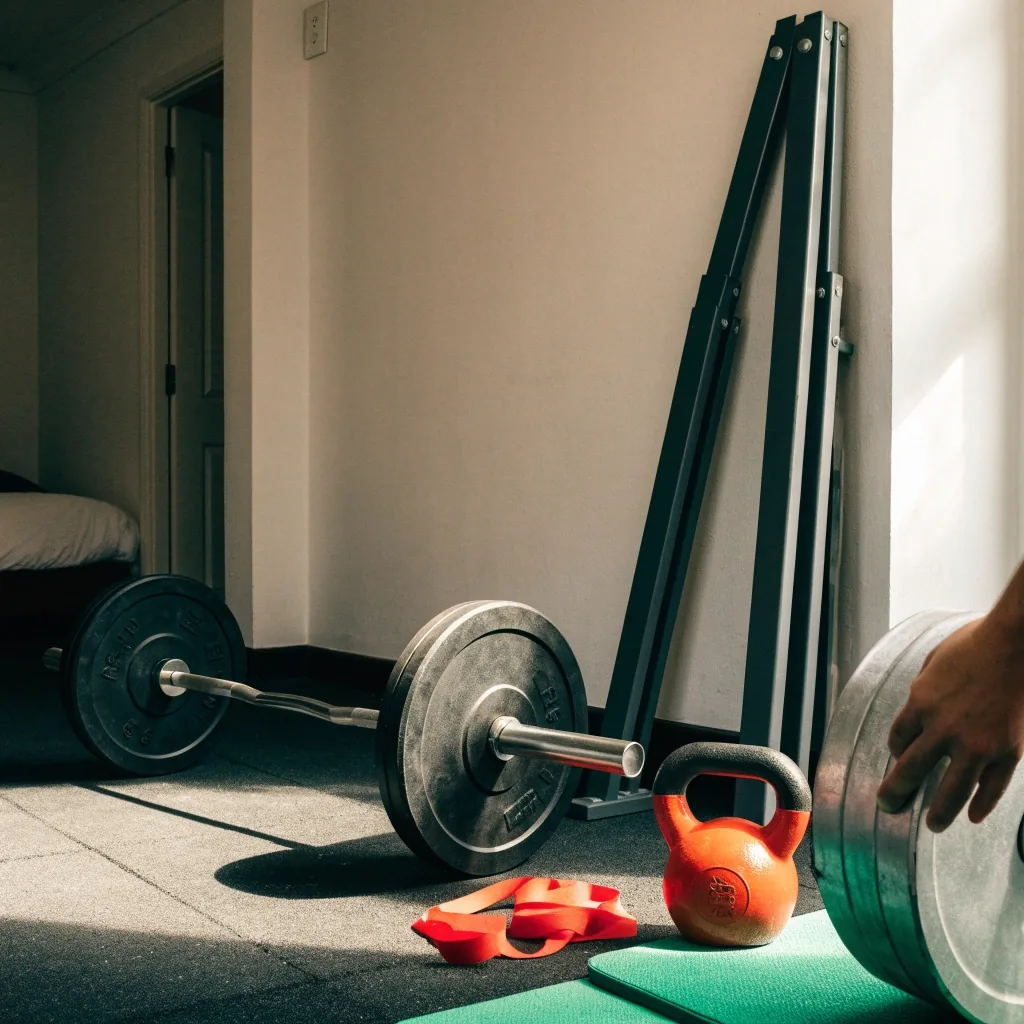
Equipment & Home Training
Strength equipment that works in small spaces
You can build real strength without a commercial gym, but the gear you choose decides which exercises are available to you. This page looks at resistance bands, dumbbell sets, and barbell racks, with an eye on what makes each one useful and what to check before you buy.
The examples assume typical Indonesian homes
Limited floor space, mixed flooring, and a routine that has to coexist with the rest of the household. Before spending on anything, three numbers decide more of your setup than any product page: how much floor you clear when training, how high your ceiling is above your head, and how much weight you can safely move alone.
Ten minutes with a tape measure prevents a lot of returns. Measure once, write the numbers down, then shop.
Storage and flooring notes- Floor area
- Enough room to lie flat with arms overhead, plus a step back for hinge patterns. Two square metres handles bands and dumbbells; a rack wants closer to four.
- Ceiling height
- Standing presses need clearance above the fingertips of a raised arm. Low ceilings push you toward seated presses or band work at chest height.
- Flooring
- Tile and ceramic crack under dropped weight. A rubber mat or rubber-tiled zone absorbs the hit and also stops bands from slipping underfoot.
- Who else lives there
- A rack, a wall-mounted band station, and a mat in one corner keep the rest of the room usable and the setup easy to leave and return to.
Start with the exercises you want to do
Before comparing equipment, list the movements you plan to train. A press, a row, a squat, a hinge, and a carry cover most of a general strength routine.
Working backward from the exercise list stops you from buying equipment for a program you would never run.
Read compound lift guides-
Press
Overhead or on a bench. Needs load in the hands and, at home, ceiling clearance above a raised arm.
Dumbbells or bands
-
Row
Pulls horizontally toward the ribs. Bands anchored low, or a dumbbell with one hand braced on a bench.
Bands or dumbbells
-
Squat
Standing, loaded, or held. Goblet and dumbbell versions work in a small room; heavy barbell squatting wants a rack.
Dumbbells, bands, or rack
-
Hinge
Hip-dominant pulling from the floor or from a knee-height band. Bands stand in well here because tension rises at lockout.
Bands or a barbell
-
Carry
Loaded walking with a weight in one or both hands. Needs open floor and nothing fragile in the path.
A single dumbbell
Match gear to movements. If you only need presses and rows, dumbbells or bands are enough. If you want to squat and bench heavy, a barbell and rack become part of the picture.
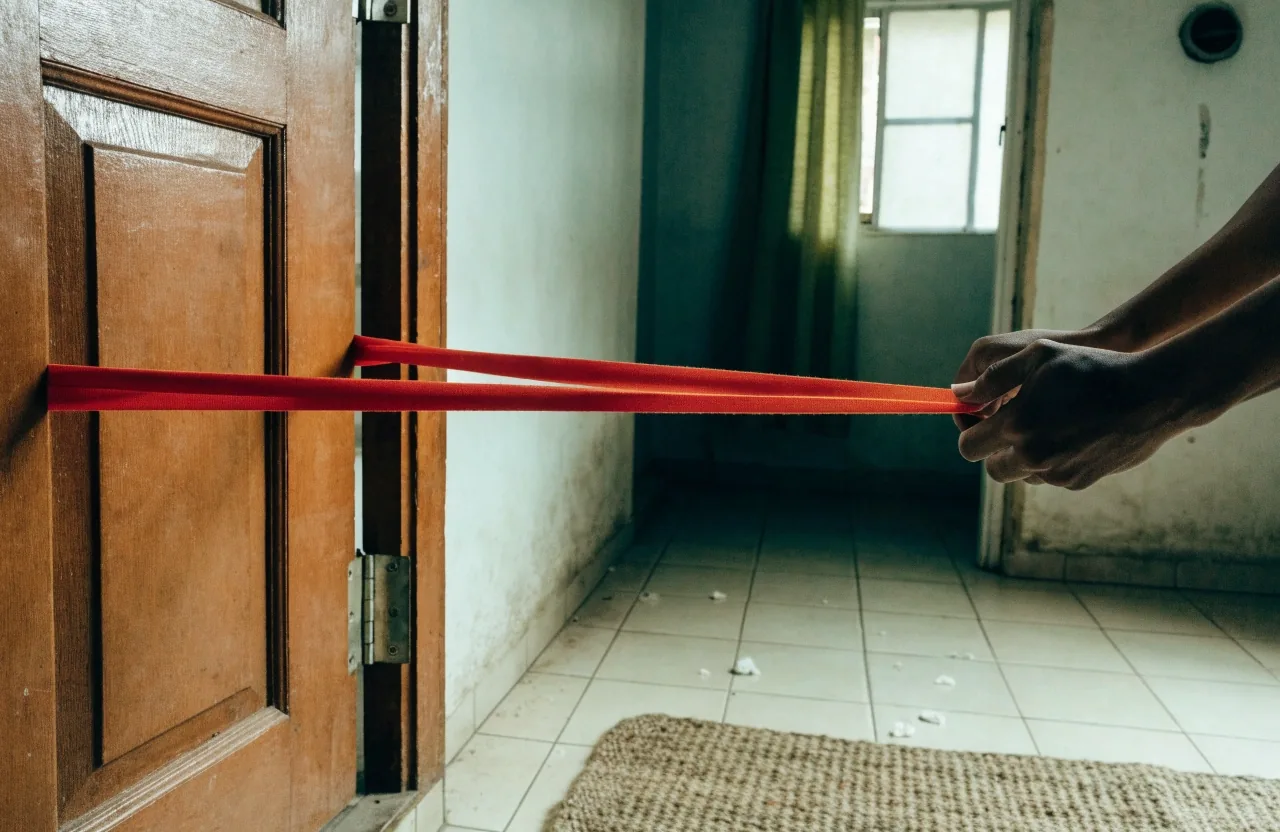
Resistance band training: an underestimated tool
Resistance band training uses elastic bands as the main loading tool. Bands create variable resistance through the range of motion, meaning the tension changes as the band stretches. It feels different from a barbell but trains the same patterns, which is why bands are common for mobility, travel workouts, and as assistance in programs that center on other equipment.
The practical advantages are storage and portability: a set of bands fits in a small bag and needs almost no floor space. They are less useful for maximal strength work, where heavy loads are the point.
A practical band setup
Three bands of different thickness
Light for warm-ups and rear-delt work, medium for rows and presses, and heavy for squats and deadlift-style pulls. That is the whole shopping list for most home setups.
-
Check the anchor every session
A door frame, a pillar, or a sturdy piece of furniture. Give it a firm tug before the first set — that is basic safety, not paranoia.
-
Height sets the exercise
Low for rows and hinges, chest height for presses, high for pull-downs. Moving the anchor is the fastest way to change the movement.
-
Inspect for nicks
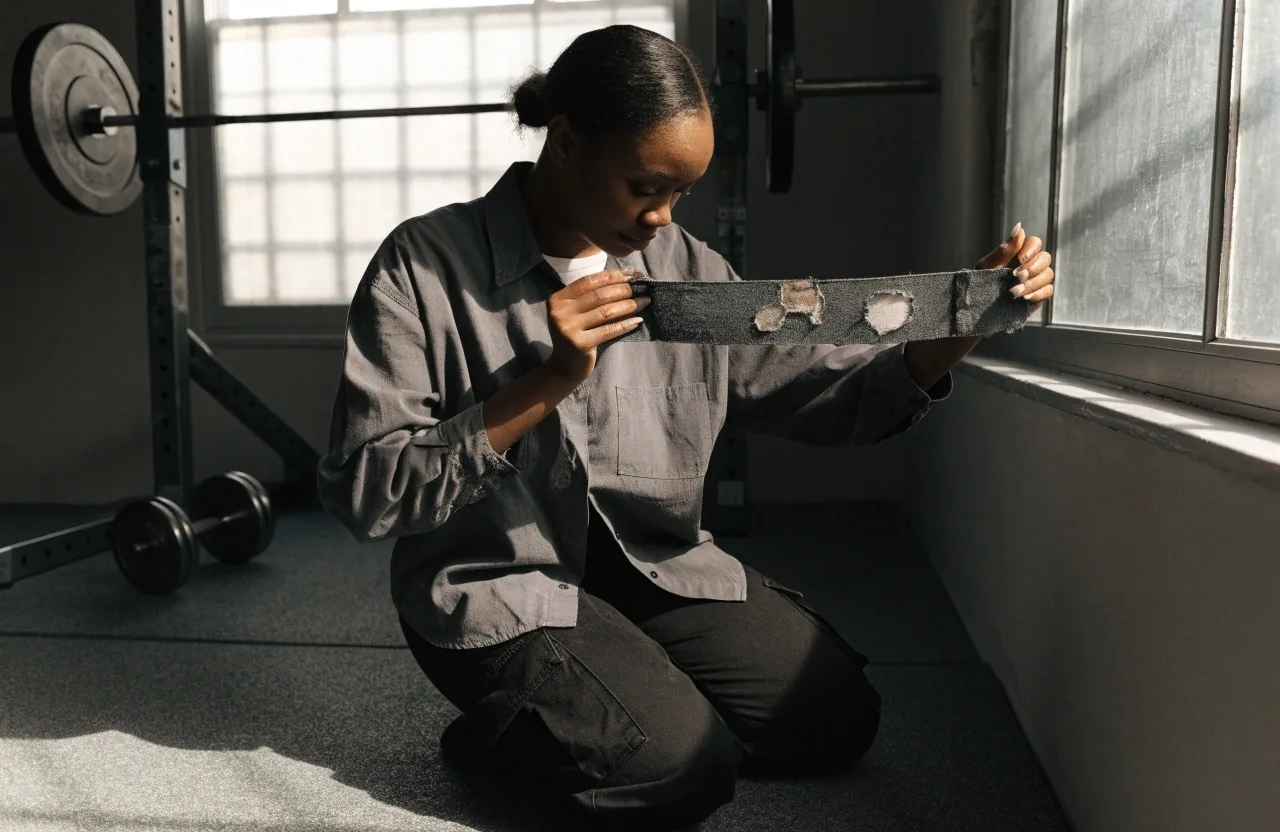
Run the band through your hands each month. Replace it when the surface looks worn or chalky — bands are consumables, not lifetime buys.
Choosing a dumbbell set that can grow with you
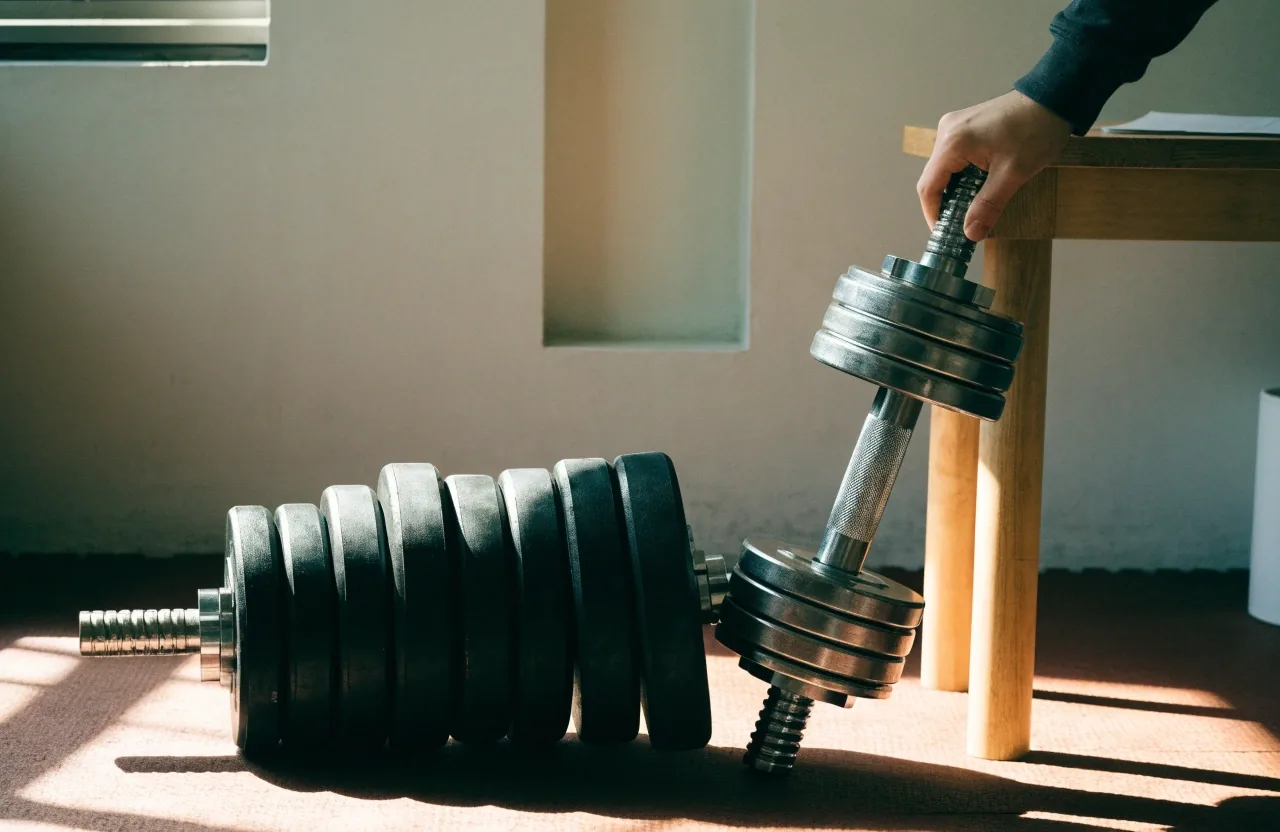
A dumbbell set is one of the most versatile strength tools available, useful for unilateral and bilateral work. Presses, rows, squats, hinges, and carries are all in reach.
The key decision is range, not the top weight alone. Adjustable dumbbells let you progress in small increments, which matters because a jump from 10 to 15 kilograms is a big percentage change for a beginner. Fixed dumbbells are more convenient but take more space and cost more as you grow. For most home setups, adjustable dumbbells with a wide range are the better long-term purchase.
What to check
Adjustable
Fixed
Range of increments
Small steps, easier to keep progressing
Larger jumps between sizes
Floor space
One pair covers many loads
A rack or shelf for every pair
Cost as you grow
Buy once, widen the range
Each new load is a new purchase
Setup speed
Change plates between sets
Pick up and go
Collars and adjustment mechanisms are the parts most likely to fail, so check them periodically rather than only when something feels loose.
Working backward from the exercise list stops you from buying equipment for a program you would never run.
Same five patterns, three different budgets — the gear changes, the movements do not.
Storage, flooring, and the rest of the room
Where the equipment lives affects whether you use it. A rack, a wall-mounted band station, and a mat in one corner of a room create a training space that survives daily life.
If you drop weights, rubber flooring protects the tile below. If your space has a low ceiling, standing presses may not be possible, which pushes you toward seated dumbbell presses or band work.
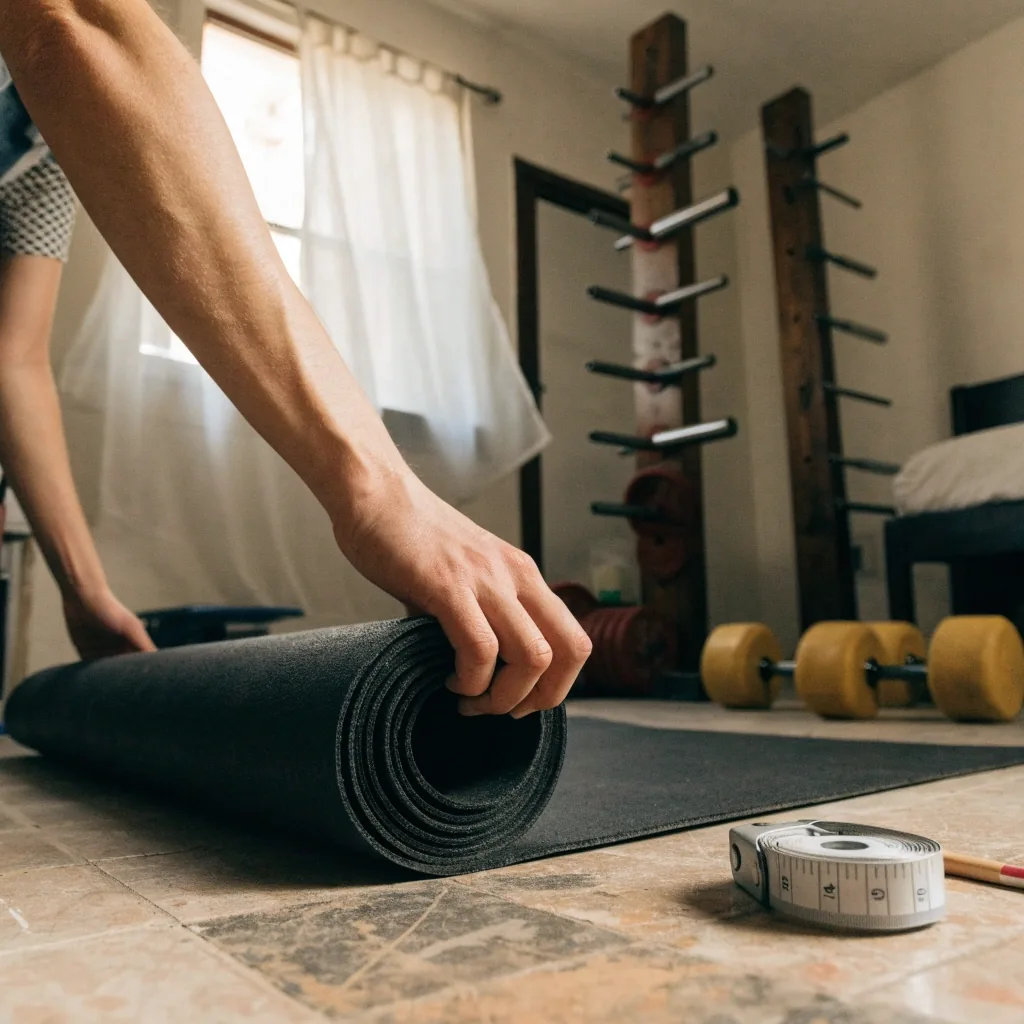
Tape measure first
Measure the ceiling and the floor area before you buy the big pieces. Ten minutes now saves a return trip later.
Protect the tile
Rubber tiles under the rack and the bar catch dropped weight and keep bands from sliding underfoot.
Barbell racks: what actually matters
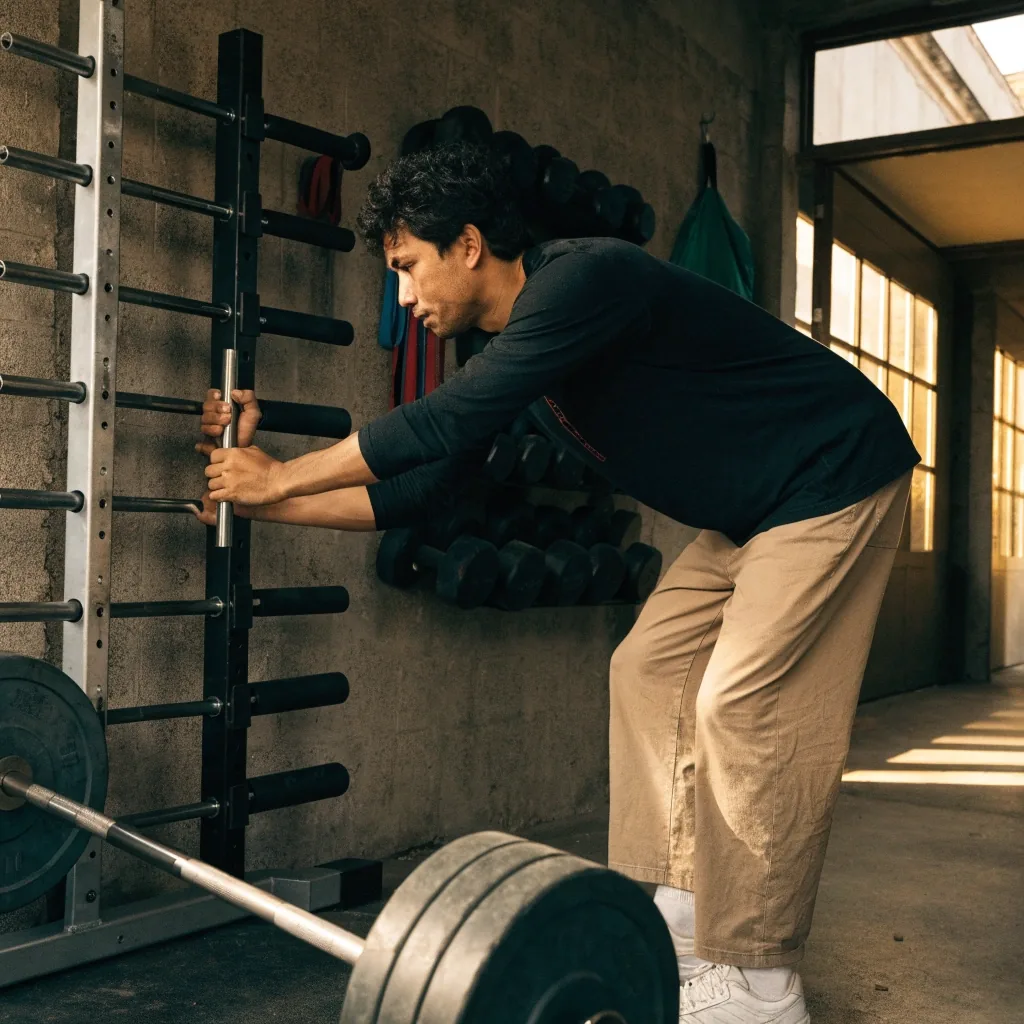
A barbell rack is a storage and lifting structure used with barbells. It matters for squats, benching, and safe bar placement, and it is common in serious home gyms and commercial facilities.
The feature list gets long, so prioritize. If you train alone, the safeties are the reason to buy a rack at all. If you train with a partner, a simpler stand can work. A rack without safeties is a storage rack, not a safety feature.
-
Safeties or spotter arms
First priority, and the one feature that changes what you can safely attempt without a training partner.
-
Upright adjustability
Second: the hooks have to sit at both your bench height and your squat height without compromise.
-
Weight capacity
Third. Buy above the numbers you expect to move for a few years and stop worrying about it.
After those three, the list is comfort: bar holders, plate storage, a pull-up bar. Useful, but reorderable.
Building a home setup in stages
Each stage is useful on its own, so you are never waiting for the final setup to start training. Buy the next piece when your current equipment is genuinely limiting your program, not when a sale is running.
Compare training systems-
First buy
Bands and a set of adjustable dumbbells
Covers a full-body program with squat, hinge, press, row, and carry. Fits in a corner and moves when you do.
-
When pressing stalls
Add a bench
Adds pressing angles and support work. A flat bench with a stable base is enough; nothing folds away as well as it claims.
-
When the bar gets serious
A barbell and a rack with safeties
Opens up heavy squatting and benching with safeties set to catch a missed rep. Measure the ceiling before this one.
Maintenance and what holds up over time
Long-term value shows up in small details. Bands degrade and need replacing eventually, so treat them as consumables. Dumbbell collars and adjustable mechanisms are the parts most likely to fail, so check them periodically. Barbell knurling wears down with heavy use, though a home bar lasts years.
Racks, if they are steel and bolted properly, hold up for a very long time. Buy the pieces that age well first, and be realistic that soft goods will need replacing. The equipment that survives ten years is usually the simplest piece in the room.
Questions that come up before buying
Can bands replace weights for a beginner?
For the first months of a general routine, bands cover press, row, and hinge patterns at home with almost no footprint. The limitation shows up when you need heavy, measurable load — that is where dumbbells and a barbell take over. Many home setups run both.
How much ceiling height does a standing press need?
Enough clearance above the fingertips of a raised arm, with the weight in hand. Measure your own reach rather than a generic figure — it differs a lot between people. If the ceiling is low, seated dumbbell presses and chest-height band presses are the practical substitutes.
Do I need a rack if I train alone?
If you intend to squat or bench a bar on your own, the safeties or spotter arms are the reason to own one. A rack without safeties stores the bar; it does not catch a missed rep. Train with a partner and a simpler stand can be enough.
How often should bands be replaced?
There is no fixed date. Inspect the surface each month and replace a band as soon as you find nicks, chalky patches, or a change in how it stretches compared with its pair. Storing bands out of direct sun extends their working life.
What else belongs in a first home setup?
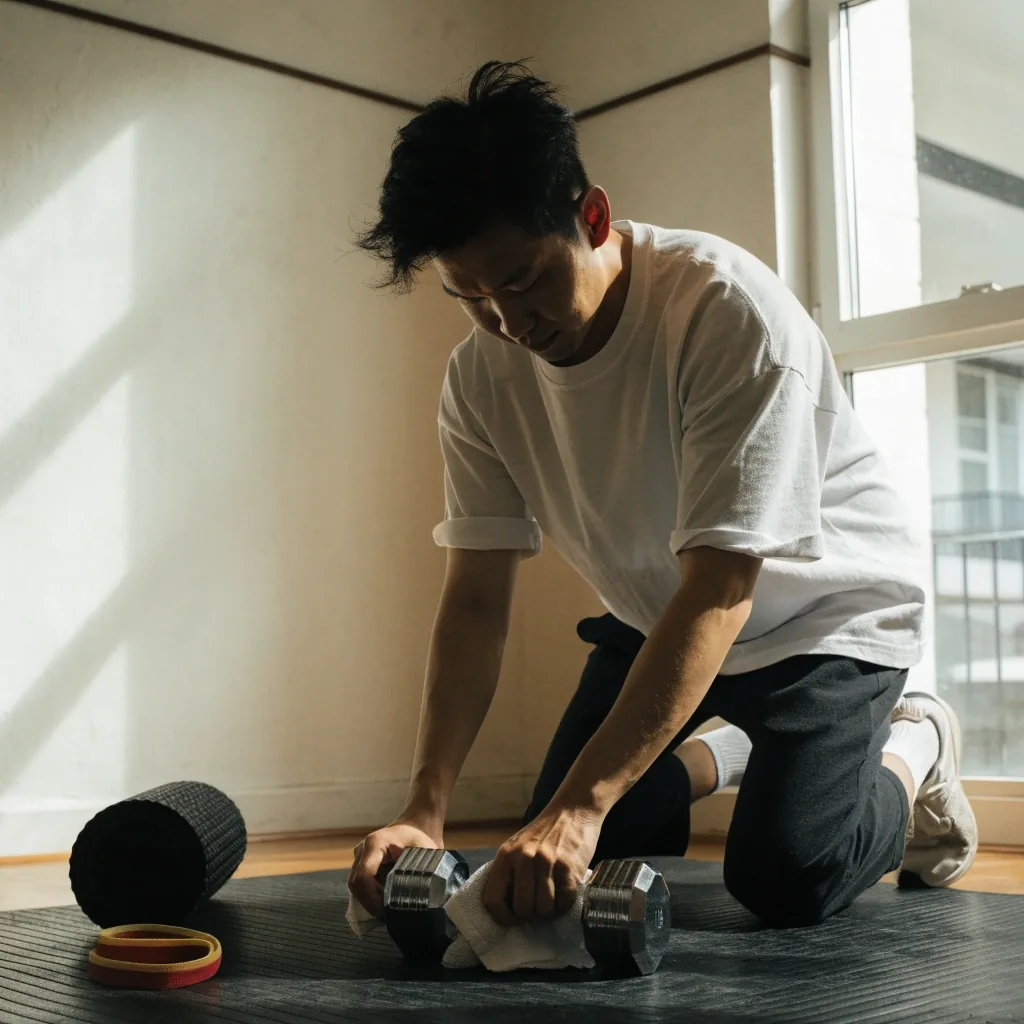
A mat that does not slide on your floor, a small towel, and somewhere to put the equipment at the end of a session. Storage is not glamorous, but a setup that is easy to leave and return to gets used more often.
Buy the next piece when your program asks for it
When your current setup genuinely limits the movements you want to train, that is the signal to add. Until then, bands, a modest dumbbell range, and a clear floor will carry a full routine.
Hormone Strength · Jl. Braga No. 12, Sumur Bandung, Kota Bandung, Jawa Barat, 40111 · Monday to Friday, 09:00–18:00