
Training systems compared
Training systems compared: structure versus variety
Two people with the same goal can train in completely different formats and both make progress. Here is how a self-programmed strength routine compares with a mixed-modality system like CrossFit, and how to choose between them.
What a system decides
Both formats work. The only real difference is who decides what you do on a given day: you, or the class in front of you.
What we mean by a training system
A framework is only useful if it survives a busy Tuesday. Ask what it makes you do when the week goes sideways.
A training system is the overall framework that decides what you do on a given day. A self-programmed strength routine typically has a fixed split, a small exercise list, a rep range, and a progression rule. A mixed-modality system like CrossFit combines strength, conditioning, and skill work in short, varied sessions.
Both are systems. The difference is who decides the session content: you, with a plan you wrote or adapted, or a coach or class format that hands you the day's work.
You decide
Self-programmed
Fixed split, a handful of main lifts, a written progression rule. You hold the volume dial and you choose the pace of the next block.
They decide
Coach or class
The session arrives already written. Effort is high, variety is high, and the planning burden sits with someone else.

CrossFit, described fairly
CrossFit is a branded fitness methodology that mixes strength, conditioning, and skill work. Workouts are typically short and use varied movement patterns, often including lifting, gymnastics, and aerobic pieces. It has a large global gym network and a competitive scene, which means coaching quality and community vary a lot by location.
For some people, the class structure and the variety are exactly what keeps them training. For others, the constant variation makes it hard to track progress on a specific lift. Neither reaction is wrong.
Before you commit to a gym
- Watch one full class, not a highlight. See how the coach scales a movement for the least experienced person in the room.
- Ask whether the class offers a named beginner intake, or drops newcomers straight into the full session.
- Check floor space per person at the hour you would actually train. Peak-hour crowding changes the session you get.
- Ask how often the programming repeats. If a main lift never returns, logging it becomes guesswork.
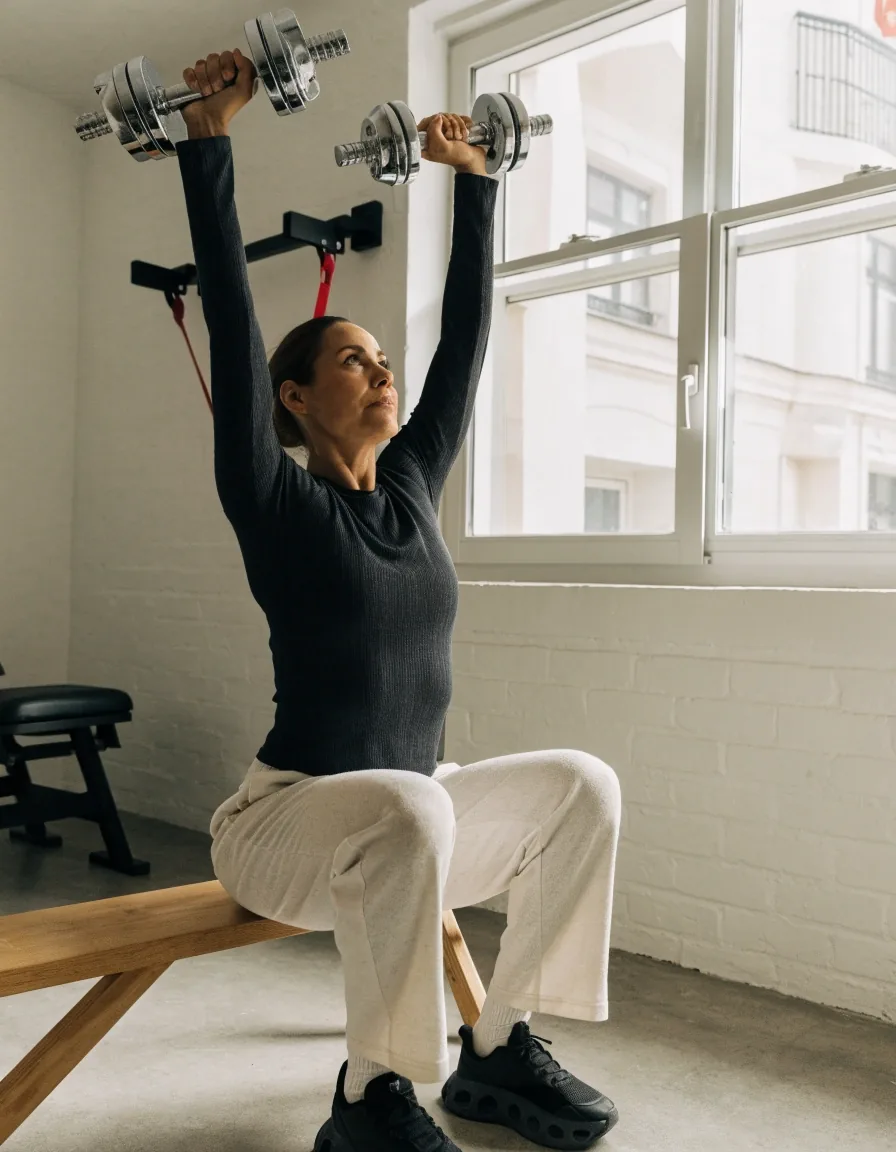
Repetition is the point, not a side effect. Same lift, same day, comparable conditions — that is what makes a small increase readable.
Self-programmed strength: the case for repetition
A self-programmed routine repeats the same main lifts with small increases over time. That repetition is not boring by accident; it is what makes progressive overload measurable. You know whether your bench press improved because you pressed on the same day with comparable conditions.
The trade-off is that you have to manage your own motivation and structure. There is no class to attend and no coach adjusting the session for you. In exchange, you control the volume, the pace, and how the plan responds to a busy week or a bad night's sleep.
-
Pick three or four main lifts and keep them
A squat or leg press, a press, a pull, and one hinge cover most of what you need. Adding a fifth main lift usually costs you quality on the other four.
-
Write the progression rule before week one
Decide in advance what happens when you complete every rep cleanly — a small load increase, or one more rep at the same load. Improvising this mid-session is where progress quietly stalls.
-
Log the working sets, not the whole session
Work-set load and reps across four lifts take under a minute to record and tell you more than a page of notes about how the session felt.
Where each system tends to fit
The answer is usually about behavior, not physiology. Pick the format you will actually show up for, then get the details right.
Self-programmed fits when
- Strength on a few specific lifts is the priority, and you want to know what next week looks like before it starts.
- Your week is unpredictable — travel, shift changes, or evenings that move around.
- You would rather train alone with headphones than inside a class schedule.
A class fits when
- Training alone gets boring, and a group plus a booked time is what gets you through the door.
- You want conditioning mixed into the strength work rather than added as a separate session.
Travel weeks
Band-based and dumbbell-based routines travel better than a class membership. A folded band and a pair of dumbbells fit in a carry-on; a booked class slot does not move with you.

Two systems, one week
Two systems, one week
Hybrid approaches that use both
You do not have to choose permanently. A common hybrid: two or three self-programmed strength sessions per week, plus one or two class-based or conditioning sessions. The strength sessions keep progressive overload moving, and the conditioning sessions add variety and aerobic work without competing for the same adaptations.
Keep the heavy lifts in their own sessions, where fatigue is controlled and progression is measurable. Do not try to break a squat record at the end of a mixed conditioning class. That is how form breaks down.
Comparing formats side by side
The practical differences people usually care about, before the philosophy.
Read the column first that describes your normal week, not your ideal one.
| Factor | Self-programmed strength | CrossFit-style classes |
|---|---|---|
| Who sets the session | You | Coach or class plan |
| Variation per week | Low, deliberate | High, by design |
| Tracking progress | Easy, same lifts weekly | Harder, workouts vary |
| Equipment needs | Bands, dumbbells, rack | Gym membership |
| Motivation source | Personal plan, habit | Group, schedule, coaching |
| Travel friendliness | Good with bands or dumbbells | Depends on local gyms |
Skills, conditioning, and your actual goal
Mixed-modality training builds a broader base: gymnastics skills, aerobic capacity, and strength together. A structured strength routine builds depth in fewer movements.
Both support everyday energy and muscle, and neither is superior in the abstract. What matters is the goal you actually have.
If the goal is one specific lift
If you want to press bodyweight overhead, a focused pressing progression gets you there faster. Frequency on that pattern beats variety around it.
If the goal is capability across activities
If you want to feel capable across many activities, varied training has real value. Carrying a heavy box up stairs and running after a bus are different asks.
Be honest about which one describes your goal. Most people find they want a bit of both, and the next section is about how to keep a strength signal running while a class handles the variety.

Keeping a baseline
Progression inside a class format
If you train mostly in classes but still want measurable strength, keep one or two self-programmed lifts outside the class. Pick an overhead press or a bench press, log it, and progress it on your own schedule. This gives you a slow but steady signal that your strength work is moving, even when the class workouts vary week to week.
Ten minutes before class is enough. The point is not to compete with the class; it is to keep a baseline that tells you the truth about your progress.
Choosing, and when to switch
Pick a format for a season, not forever. Run a self-programmed block for eight to twelve weeks, then reassess. A switch is not a failure; it is a correction. The one thing that rarely works is switching systems every month and never giving either one enough time to show results.
- 1 Run the block for eight to twelve weeks without changing the structure.
- 2 Count the sessions you actually completed, not the ones you planned.
- 3 If most sessions happened and the main lifts moved, keep going.
- 4 If you missed sessions constantly, the format may be the problem rather than your discipline. Change the format, not your standards.
Questions people ask before choosing
Can I run both at the same time?
Yes, and many people do. Two or three self-programmed strength sessions plus one or two class sessions per week is a common split. Keep the heavy lifts in the strength sessions so fatigue stays controlled and progression stays readable.
What if I only have three days a week?
Three full-body self-programmed sessions are a straightforward fit. If you prefer classes with three days a week, keep one lift outside the class so you still have a baseline to compare week to week.
Do I need a rack to start at home?
No. Resistance bands, a pair of adjustable dumbbells, and a bench cover a surprising amount of pressing, pulling, and hinging. A rack becomes useful once you want to load a barbell heavily and prefer to lift alone.
How do I know a switch is the right call?
If a block ends, you completed most sessions, and the format still left you dreading training, the format is the problem. Switch once, run the new one for a full block, and compare honestly rather than changing again mid-block.

Pick one system and give it a full block
Whatever you choose, the details that make it work sit in the same two places: how you progress the lift, and how you space the hard weeks. Those are worth more of your attention than the logo on the gym door.
Questions about a format?
Hormone Strength teaches strength training for everyday energy and muscle in Bandung. If you are weighing a class membership against a home setup and want a second opinion on which one suits your week, get in touch.
- Visit
- Jl. Braga No. 12, Sumur Bandung, Kota Bandung, Jawa Barat, 40111
- Hours
- Monday to Friday, 09:00–18:00
- Call
- +62 22 424 8714
- [email protected]